Nuclear Lifecycle Innovation
Oklahoma is on the shortlist.
The Department of Energy's Nuclear Lifecycle Innovation Campus initiative includes the entire fuel cycle — generation, fabrication, recycling, medical isotopes and permanent disposal. In July 2026 Oklahoma was named a finalist. OCNS is the coordination lead for the private-sector coalition behind the state's proposal.

Power generation
New capacity on a site built for it.

Fuel fabrication
Domestic supply, onshore.
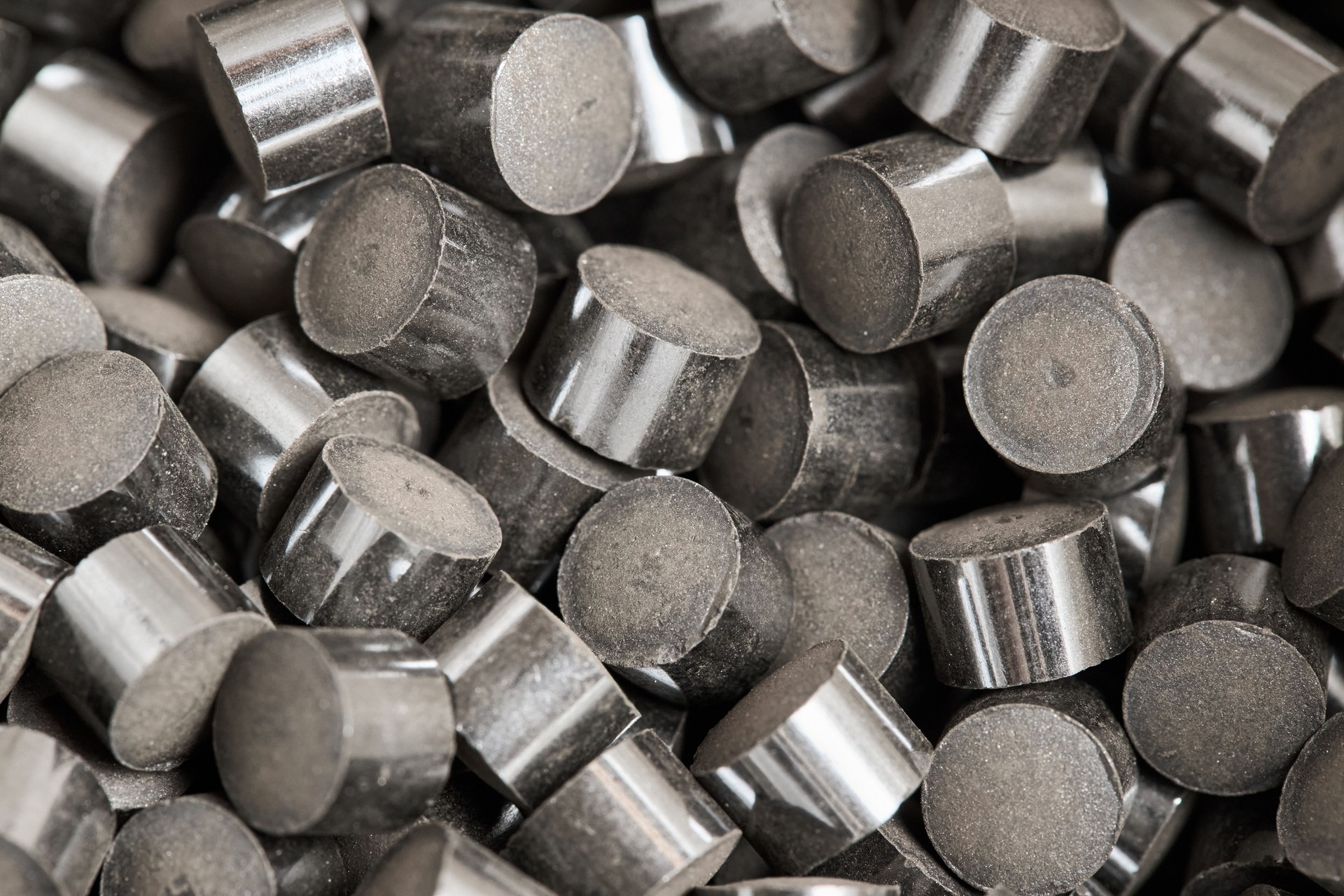
Fuel recycling
Recovering what is still usable.

Medical isotopes
Production for cancer research and care.

Permanent materials management
Our piece. The end of the cycle, solved.
“Oklahoma has been an American energy leader for more than a century. Our role has been to help bring the private sector together around a shared vision for what comes next.”
Wink Kopczynski — Chief Executive Officer, OCNS
Why the Deep Borehole Demonstration work matters here
Every campus proposal has to answer the same question: what happens to the material at the end. Most answer it on paper. Oklahoma's answer points at a hole in the ground where emplacement and retrieval are being run for real. That is the difference between a plan and a proof point.